


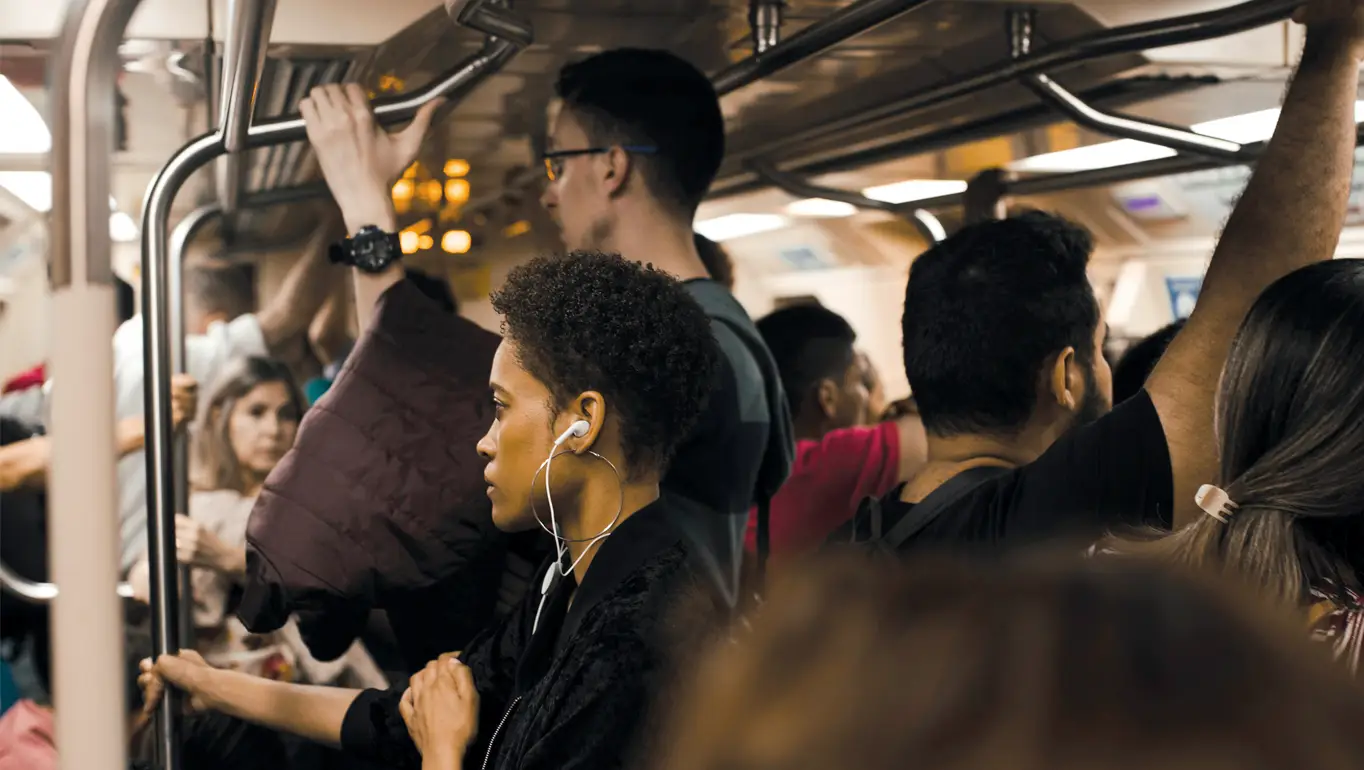
As I travelled on a London tube one morning, it was filled with passengers of diverse races. A middle-aged woman was reading a book, a teenage boy was nodding his head with earbuds in, and a young woman was speaking on her phone. As unique as each of us may have been, we shared a common desire to arrive at our destinations and go about our lawful businesses safely.
The tube reached the next station, and a few more passengers boarded. Among them was an older woman. As she walked down the aisle, several seated passengers and I offered our seats. Despite originally coming from different parts of the world, we all shared the belief that giving up a seat to an older person was the right thing to do. This moment felt reminiscent of home. My mind drifted back to Lagos, recalling times when people showed similar kindness to older people, a tradition deeply rooted in our culture.
Culture makes us who we are. A key component of our identity, it is centered around markers like race, religion, and location. It informs how we express ourselves and respond to life. That is not a flaw, but a reflection of identity.
We all crave a sense of belonging, and culture provides it. When that need is ignored, we lose ourselves. However, the unique aspects of culture as a means of identity and belonging are often highlighted to underscore differences.
For generations, many have believed that culture separates us. This idea has fueled divisions between local and international communities. Increased migration has made supposed cultural differences between people from different countries more visible. As individuals from various backgrounds live together, their distinct cultural beliefs become more apparent.
Ignoring the fact that different cultures lead to diverse beliefs and social behaviors would be presumptuous. Being accustomed to distinct ways of life, we may view certain things differently. However, having opposing views in itself isn’t negative as it is grounds for learning, growth and development. Leveraging cultural awareness in this regard helps us understand other people and their cultures better. That being said, this awareness doesn’t mean that we ignore our own culture. If anything, it enables us to appreciate it and be open to how it can blend with other cultures.
Connecting with one another through empathy precedes culture. This ability is present in all humans, including children, regardless of their cultural identity awareness. Empathy transcends cultural boundaries, acting as an invisible thread that binds us together. This was evident in global reactions to movements like MeToo, where people worldwide united to condemn abuses by authority figures against those they considered subordinates. People of varying cultures are united based on empathy and condemn the wrongdoing for the betterment of society.
The Black Lives Matter movement is yet another example of us uniting against social injustice. It continues to drive conversations about injustice meted out to minority groups, garnering support from many people around the world, many of whom aren’t Black. These people recognize the severe mistreatment directed at a fellow human being, regardless of race or background. There’s a shared understanding that the perpetrator didn’t only target the black race but the human race. So, turning a blind eye to it would be a disservice to humanity.
We also share a common ability to connect through compassion, acknowledging our pain and feeling a strong desire to help. Compassion benefits both those who suffer and those who offer help, as witnessing pain can also cause distress in helpers.
In some ways, compassion stems from a desire to protect oneself from emotional pain. The fewer people suffering, the better others feel because their own happiness feels less threatened by others’ pain.
Our cultural background doesn’t override our human nature to recognize the suffering of others. Witnessing someone struggling often resonates deeply and triggers memories of our own similar feelings, even if the situations differ.
While many cultures demonstrate compassion, their responses vary according to cultural behavioral patterns. For example, in the United States and Germany, people may both feel compassion but express it in different ways. Americans tend to focus on positive messages that uplift the person, sharing encouraging words. Germans, on the other hand, often highlight the negative aspects to acknowledge the severity of the pain. In both cultures, those suffering value these unique responses and wouldn’t want it any other way.
During the COVID-19 pandemic, we united as one. Empathy and compassion thrived beyond cultural barriers. We offered help, shared resources, and comforted each other. The virus reminded us that every life mattered, and any harm to a person could affect us all.
In every corner of the world, humanity prevails as the default reaction. Sadly, this is often overshadowed by louder voices that emphasize our differences.
But no matter how loud it gets, the calming power of empathy and compassion prevails. We always recognize ourselves because, deep down, we are the same.