



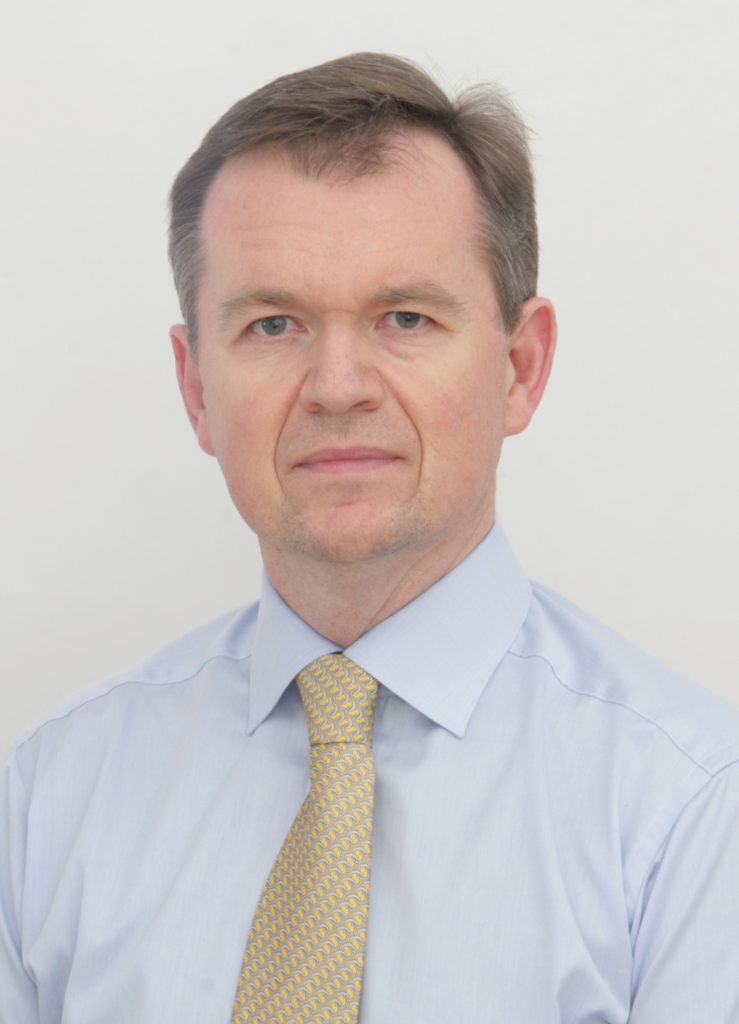
A leading figure in Geneva in the fields of therapeutic patient education, obesity care, diabetes management, and research into strategies for preventing complications linked to chronic diseases, Zoltan Pataky represents medicine that is at once scientific, innovative, and deeply humane. Head of the Therapeutic Patient Education Unit at Geneva University Hospitals, he is also associate professor at the University of Geneva and director of a World Health Organization collaborating centre.
Why is the fight against obesity so often unsuccessful?
We now know that simply advising patients to eat less and move more is not enough. Obesity is neither a personal weakness nor merely a matter of “bad behaviour”; it is both a cause and a consequence of disruptions in several hormones that regulate appetite, fat storage, energy expenditure, and blood sugar levels. Fat accumulation in different organs can lead to cardiovascular disease or type 2 diabetes. Excess weight causes metabolic alterations and is also linked to changes in the central nervous system. These factors help explain why obesity is so difficult to overcome.
What strategy should be adopted?
It is essential to adopt a comprehensive, coordinated, person-centred approach. This rests on three pillars: nutrition, physical activity, and the emotional dimension, which is still too often overlooked. Even when people know how they should eat and exercise, they may struggle because they have had a stressful or depressing day. Food then becomes a refuge. Certain foods, especially those high in sugar and fat, trigger a rapid release of dopamine. This chemical messenger in the brain produces pleasure what we call the “reward circuit” encouraging repetition. This is what I call emotional eating. People do not eat without reason; they eat to soothe an internal imbalance, which can lead to eating disorders.
There is a great deal of discussion about new drug treatments. What is your view?
New injectable anti-obesity medications such as Wegovy and Mounjaro make it possible to lose on average 15–20% of initial body weight over a year or a year and a half. Among other effects, they act on the brain’s reward system, normalise satiety signals, and slow gastric emptying. As a result, patients feel full more quickly and are less likely to snack.
What are the short- and long-term side effects?
Some patients may experience nausea, vomiting, diarrhoea, constipation, or even muscle loss. As for long-term side effects, we don’t yet have enough perspective.
Is weight loss permanent?
Not at all. If these medications are prescribed without addressing the underlying causes of the disease, patients very often regain weight once treatment stops. Many doctors, who are still unfamiliar with the complexity of obesity, focus only on treating the visible effect, body weight itself. But weight is merely the tip of the iceberg. There is also the environment and all the life events that generate emotional disturbances affecting eating behaviour. This is why medication must be accompanied by interdisciplinary care provided by trained specialists.
Is that the purpose of the therapeutic education unit you lead?
Patients’ needs are at the heart of our work. To help them manage their health on a daily basis, improve their skills, and prevent complications, we have developed personalised programmes and workshops. These are delivered by an interdisciplinary team including doctors, nurses, psychologists, dietitians, art therapists, and physical activity professionals, in close collaboration with patients themselves. We also train healthcare professionals and conduct research to improve disease self-management and patients’ quality of life.
Do you offer long-term follow-up?
We have established a personalised two-year programme. It allows patients to undergo a health assessment, understand the factors behind their weight gain, share their experiences, and test different therapeutic solutions. Each patient is supported by a healthcare professional whom they meet once a month. As part of another five-day outpatient programme, patients receive a full medical assessment as well as theoretical and practical workshops that helps them better understand and manage their weight issues. We also offer motivational days focusing on specific themes such as nutrition, physical activity, and the role of medication and surgery in obesity treatment. All of these services are covered by health insurance.
Do you have equivalents in Switzerland or France?
There are similar centres, such as in Lyon, but to my knowledge we are the only ones offering such a comprehensive person-centred approach rather than a pathology-centred one, built around therapeutic education, the cornerstone of treatment for any chronic disease and combining both individual and group support. Our programmes are internationally recognized. We are a reference centre of the European Association for the Study of Obesity and, since 1983, a collaborating centre of the World Health Organization.
What form does this collaboration with WHO take?
We were among the pioneers of therapeutic patient education recognised by the World Health Organization in 1983. Since then, we have contributed to drafting and updating WHO guidelines on this approach to chronic diseases, which serve as a global reference for policymakers, trainers, and healthcare professionals. We help WHO design and lead training activities aimed at strengthening caregivers’ skills. One example is a therapeutic education curriculum for training trainers in 22 countries across the Eastern Mediterranean region, including North Africa and the Gulf states. It focuses on chronic disease management, particularly diabetes, which is rapidly increasing in that region. We also contribute to developing educational approaches and reviewing scientific literature on the impact of therapeutic education programmes.
Obesity: a global health time bomb

Obesity continues to rise and has become a major public health challenge: according to the World Health Organization, more than one billion people are affected worldwide. This figure has more than doubled since 1990 and is increasing rapidly among children and adolescents. In 2022, nearly 2.5 billion adults were overweight, including around 890 million living with obesity.

The causes are multiple and closely interconnected: consumption of ultra-processed foods high in calories, sugar and fat, increasing sedentary lifestyles, social inequalities, as well as genetic, biological and psychological factors.

Obesity increases the risk of chronic diseases such as type 2 diabetes, cardiovascular disease, hypertension, and certain cancers. It contributes to premature mortality and places a heavy burden on healthcare systems.

Faced with this crisis, obesity cannot be tackled without a comprehensive approach. This requires strong public policies promoting healthy diets, environments conducive to physical activity, early nutritional education, and equitable access to healthcare.
World Obesity Day, which will take place on 4 March 2026, aims to challenge misconceptions, reduce stigma, and improve care for this relapsing disease.