


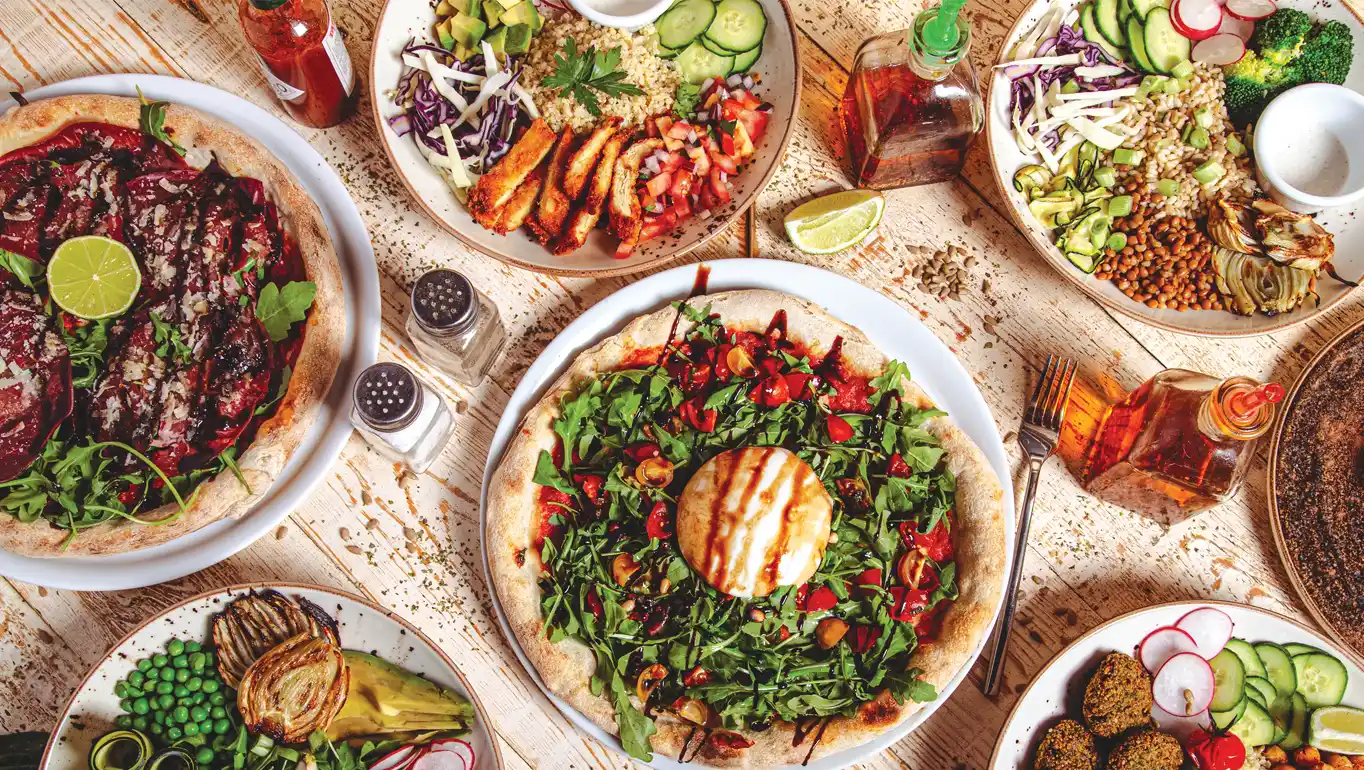
When we speak about the Mediterranean diet, we often begin with a list: olive oil, vegetables, legumes, grains, fruit, fish. All of this is true, but it is not the whole truth.
The Mediterranean diet begins long before a plate reaches the table. It begins in a field, in a season, in the hands of a farmer, in the knowledge of a fisherman, in the patience of someone who waits for a tomato to become ripe instead of asking nature to hurry.
It continues in the kitchen, where food is transformed with intelligence rather than excess, and it reaches its fullest meaning when people sit down and share it.
For me, this is why the word “diet” can be misleading. Its deepest meaning is closer to a way of life.
UNESCO recognised the Mediterranean diet as Intangible Cultural Heritage of Humanity because it is not simply a nutritional model: it is a collection of knowledge, rituals, traditions and skills transmitted from one generation to another. It is also a culture of hospitality, dialogue and respect for diversity.
I am a chef, but I have always felt more comfortable calling myself a “cuoco contadino,” a farmer-chef.
Those two words remind me that cooking does not begin with the chef.
Before us come the soil, the water, the seed, the season and the people who work the land.
The Mediterranean table was born from this humility.
Many of its most extraordinary dishes were not created from abundance, but from necessity. Bread that was no longer fresh was not discarded; it became another dish. Vegetables were cooked according to the season. Legumes provided nourishment to entire families.
Leaves, stems and imperfect produce were often given a second life.
What today we call “zero waste” was once simply common sense.
And this, perhaps, is one of the greatest lessons the Mediterranean can offer the future.
We live in a time when food is increasingly photographed, marketed and consumed as an object. Yet food is never only an object.
Behind every ingredient there is land, water, labor, culture and time.
Wasting food therefore means wasting far more than the food itself.
The Mediterranean way teaches us the opposite: to use what we have, to respect what grows and to waste as little as possible.
Its benefits are also connected to this balance.
A traditional Mediterranean pattern places vegetables, fruit, pulses, cereals and olive oil at the heart of everyday eating, with fish, dairy and meat consumed in different proportions according to local traditions.
But I believe its strength is not found in one “miracle” ingredient.
Its strength lies in the relationship between foods, people, place and rhythm.
FAO has described sustainable diets as diets that are healthy while also respectful of biodiversity and ecosystems, culturally acceptable, accessible and economically fair.
This is where the Mediterranean model becomes especially relevant today.
It can connect nutrition with environmental responsibility, local economies and the protection of rural communities.
Biodiversity, in particular, is not an abstract word to me.
When a local variety of bean disappears, when an ancient fruit tree is abandoned, or when a small farmer can no longer afford to cultivate a traditional product, we do not lose only an ingredient.
We lose a piece of memory and a possible answer to the future.
For this reason, protecting biodiversity also means protecting culture.
The future of food cannot be built by making everything taste the same.
It must be built by defending differences.
The Mediterranean has always been a place of encounters. Ingredients, techniques, languages and traditions have traveled across its shores for centuries.
Its cuisine belongs to no single person.
It is a conversation between peoples.
Perhaps this is also why the Mediterranean table carries such a powerful message today: identity does not have to create distance. Strong identities can meet, exchange and enrich one another.
A shared table can do what politics sometimes struggles to do: create a space where people recognize each other.
There is another aspect we must not forget.
Healthy and dignified food cannot become a privilege reserved for those who can afford luxury ingredients or fashionable restaurants.
Some of the foods that best represent the Mediterranean — bread, pulses, seasonal vegetables, grains, olive oil — come from traditions in which nourishment had to be simple, intelligent and accessible.
We should never confuse simplicity with poverty.
Simplicity can be knowledge.
It can be wisdom.
A piece of good bread with olive oil may carry more truth than a plate filled with expensive ingredients and no story.
As chefs, we have a responsibility.
We can choose to make food only spectacular, or we can also make it meaningful. We can give visibility to
small farmers. We can teach younger generations that an imperfect vegetable is still food. We can preserve recipes that are disappearing. We can reduce waste. We can remind people that the value of an ingredient is not determined by its price.
But this responsibility cannot belong to chefs alone.
I believe that today a sovereign state should be judged not only by the quality of its roads, its infrastructure or the strength of its economy, but also by its ability to guarantee every citizen access to an essential basket of healthy, nutritious and quality foods at fair conditions.
The right to eat well cannot depend on a family’s income.
Healthy food must no longer be a privilege. It must become part of the dignity of every human being.
Guaranteeing access to bread, pulses, grains, vegetables, fruit and other essential foods means investing not only in health, but in the future of society itself.
On 16 November, the International Day of the Mediterranean Diet gives us an opportunity to celebrate this heritage.
But celebration is not enough.
A heritage survives only when it remains useful, living and capable of speaking to the future.
The Mediterranean diet should not become a postcard from the past.
It should become a tool for tomorrow: a way to protect biodiversity, strengthen local communities, educate against waste, improve nutrition and restore a more human relationship with food.
The greatest lesson I have learned from the Mediterranean is very simple:
Take only what you need.
Respect what you receive.
Transform it with care.
And share it with others.
Because food is not only what keeps us alive.
Food tells us how we choose to live together.