


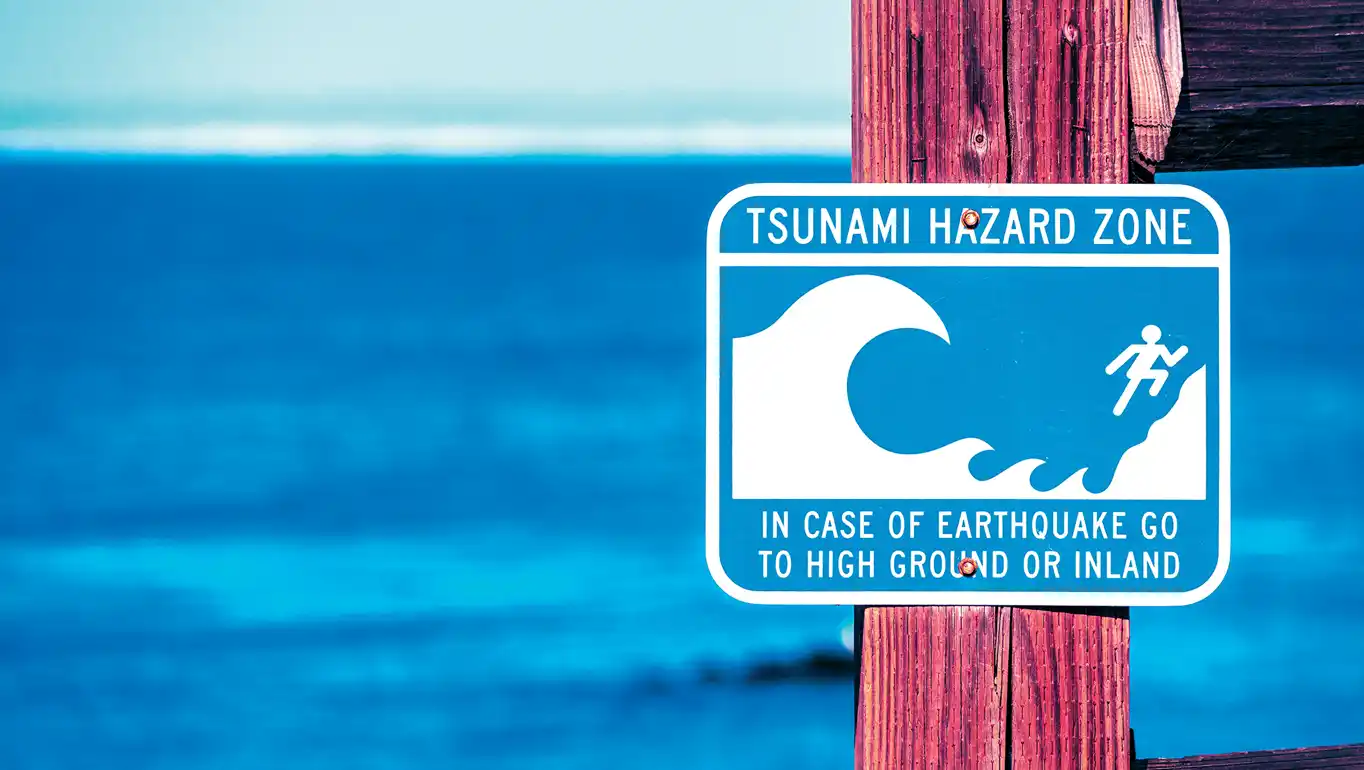
Imagine sitting on a tranquil beach when the ground suddenly shakes, or the ocean rapidly rises or retreats exposing the sea floor. Within seconds, the sea could surge ashore, swallowing homes, businesses, and lives.
Tsunamis are swift and uncompromising. When the devastating Indian Ocean tsunami struck on December 26, 2004, it claimed over 227,000 lives across 14 nations, affecting people of 52 nationalities in a matter of hours. From that horrific tragedy, a vital global mission was born: transform vulnerable coastal areas into resilient, fully prepared communities.
Seconds to act: why local readiness matters most
Across the globe, 90% of tsunami casualties are caused by waves that strike shores within minutes to an hour of a very large earthquake, landslide, or volcanic eruption. Because there is often no time to wait for official alerts, community preparedness is the single most effective tool we have to save lives.
To coordinate this effort globally, the Intergovernmental Oceanographic Commission (IOC) of UNESCO oversees four warning and mitigation systems spanning the Pacific and Indian Oceans, the Caribbean and Adjacent Regions, and the Northeast Atlantic and Mediterranean. Through this international network, nations collaborate to share data, speed up detection and forecasts, issue warnings, strengthen emergency communications, map high-risk coastal zones, build clear evacuation plans, and create public awareness.
Turning regional drills into action in the Caribbean
A standout success story in this global effort is unfolding in the Caribbean. Since 2005, the IOC Tsunami and Other Coastal Hazards Warning System for the Caribbean and Adjacent Regions (CARIBE-EWS) has streamlined warning, dropping initial alerts to just 5–7 minutes. Every March, hundreds of thousands of emergency authorities and residents have asked themselves a simple question: Are we ready?
Through CARIBE WAVE, an annual regional exercise launched in 2011 by CARIBE-EWS and supported by the International Tsunami Information Center Caribbean Office, the Caribbean Tsunami Information Center, the Pacific Tsunami Warning Center, and the Central America Tsunami Advisory Center, more than 5.6 million people across the greater Caribbean have practiced taking life-saving action.
Setting the standard: the 12 indicators of readiness
To turn practice into a lasting culture of safety, the IOC established the Tsunami Ready Recognition Programme in 2022 as an international standard. Modeled after the United States National Weather Service (NWS) TsunamiReady® initiative, this voluntary program acts as a practical roadmap for coastal towns. To earn official recognition, a community must meet 12 key indicators, ranging from mapping hazard and evacuation zones and setting up reliable warning systems to installing signage and conducting regular evacuation drills and education campaigns.
The need in the Caribbean is urgent. Over 70 tsunamis have occurred, causing some 4,500 deaths in the past 500 years (NOAA/NCEI). A 2026 study, published in the International Journal of Disaster Risk Reduction, screened 920 coastal communities across 41 Caribbean countries and territories, estimating that roughly 8.1 million people live within tsunami evacuation zones.
This estimate counts residents only; the number of people at risk is even higher when tourists and seasonal workers have been taken into account. Steady progress is being made to protect them. Across 18 Caribbean countries and territories, 76 communities have achieved Tsunami Ready recognition from the IOC or the US NWS.
Early warnings for all—and with all
Crucially, true readiness leaves no one behind. Beginning in Saint Lucia in 2022, efforts have included persons with visual impairments and advocacy groups to make tsunami planning and warnings fully accessible. Today, this work is expanding to include people with all types of disabilities. Their active involvement highlights a fundamental principle: early warning systems must be designed not just for everyone, but with everyone.
Youth and children are also central to this effort, making up the vast majority of participants in the CARIBE WAVE exercises. As Barbuda worked toward Tsunami Ready recognition, primary and secondary students took center stage to share a life-saving message through a vibrant video. Channeling their energy and creativity, they helped write the lyrics, played the instruments, and sang the vocals. By taking ownership of disaster readiness today, these young leaders are helping keep their island safe for generations to come.
Looking ahead: achieving 100% readiness by 2030
The United Nations Ocean Decade Tsunami Programme has set a bold target: 100% of communities at risk worldwide be prepared for tsunamis by 2030. Reaching this goal demands stronger science, detailed seafloor mapping, more observations and deeper research into non-seismic tsunami triggers like volcanoes and landslides, greater awareness and more effective preparedness and response measures.
While international aid, including support from the US Department of State, has been instrumental, over-reliance on external funding is unsustainable. Long-term resilience relies on the integration of Tsunami Ready actions directly into national budgets with ongoing technical guidance from CARIBE-EWS and other key partners such as the UN Office for Disaster Risk Reduction and the International Telecommunication Union.
Earning Tsunami Ready recognition is far more than receiving a certificate to hang on a wall, it is a lifelong commitment to preparedness, with recognition renewed every four years. By uniting international and national experts, local leaders, and everyday citizens, coastal communities will have the tools to take action when the next tsunami strikes.