


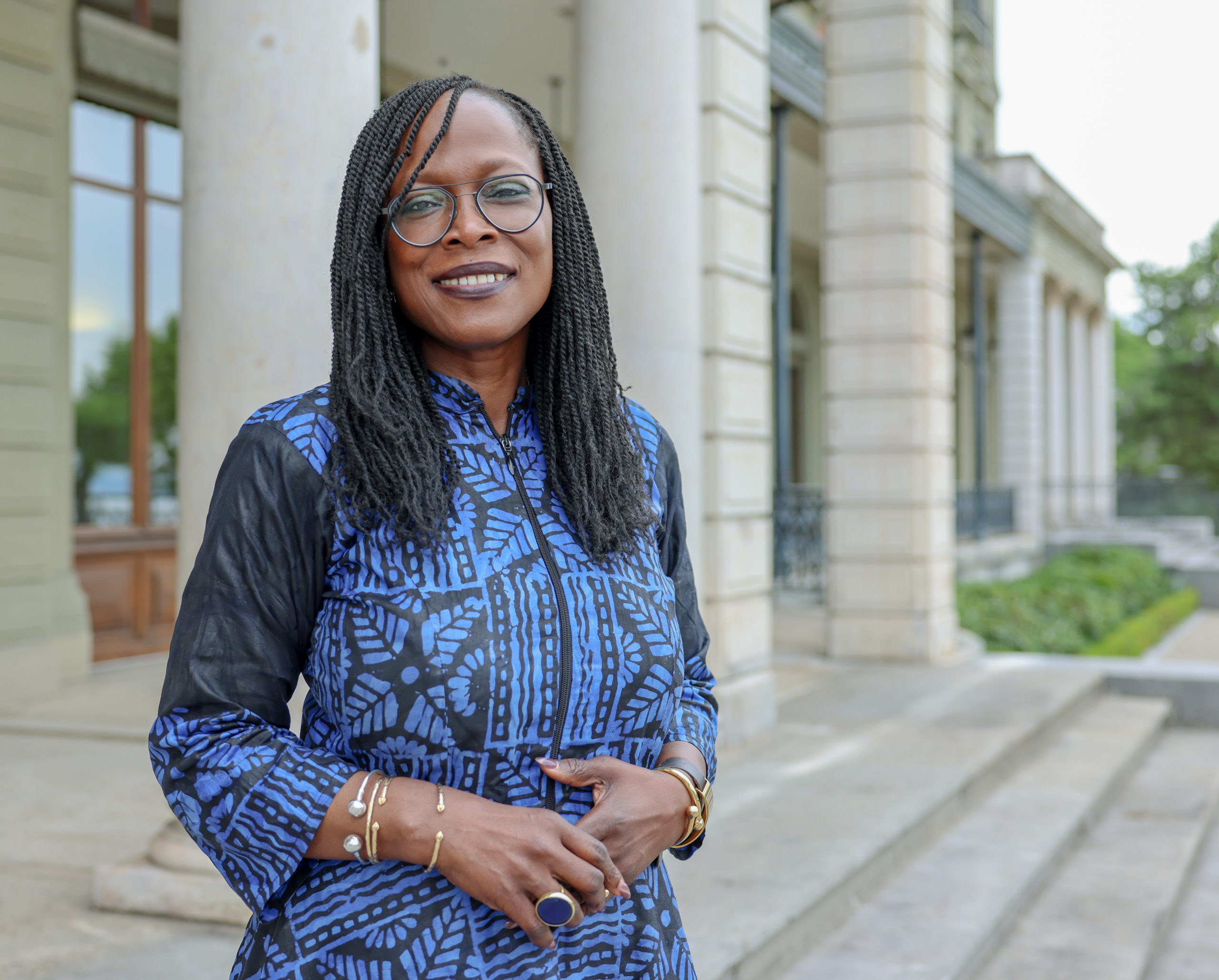
At a time of unprecedented pressure on human rights—from armed conflicts and shrinking civic space to climate crises and geopolitical tensions, Awa Dabo’s appointment as UN Deputy High Commissioner for Human Rights takes on particular significance. The Gambian lawyer brings extensive experience in peacebuilding, transitional justice, humanitarian affairs and development, as the first African-born person to hold the post. In this interview, she outlines her priorities and her vision for strengthening OHCHR and rebuilding trust in the multilateral human rights system.
You take on your new role amid growing global crises and pressure on human rights. What will be your key priorities, and what perspective will you bring to the Office?
The world has changed fundamentally, and the United Nations must evolve accordingly. The financial constraints affecting the UN system are significant, but they also offer an opportunity to strengthen the Organization rather than merely preserve existing structures.
My first priority is to help build a stronger Office of the High Commissioner for Human Rights. Through initiatives such as OHCHR 2.0 and UN80, we want to bring human rights closer to people by strengthening our presence in countries and ensuring that our work has a tangible impact where it matters most.
My second priority is our staff. Human rights professionals have worked under extraordinary pressure over the past several years, responding to multiple crises while facing increasing uncertainty. Supporting their well-being and resilience is essential if we expect them to continue delivering on our mandate.
Finally, rebuilding trust is fundamental. Too often, people judge the entire UN through the political deadlock they see in intergovernmental bodies, without recognizing the remarkable work carried out every day by UN staff around the world.
You have worked extensively on conflict prevention and sustaining peace. How can human rights be better integrated into early warning and preventive diplomacy before crises escalate?
One of the most important lessons I have learned throughout my career is that peacebuilding begins with prevention. Human rights, humanitarian action, development and peacebuilding are not separate agendas; they are fundamentally interconnected.
Preventing crises requires addressing the root causes of instability before violence takes hold. This means working closely with local communities, listening to those most directly affected, and ensuring that human rights are embedded at every stage of prevention efforts.
Human rights should never be viewed as an additional component of crisis response. Rather, they provide the normative and ethical foundation upon which lasting peace, resilience and sustainable development are built.
From your experience in UN peacebuilding, has the UN overcome institutional silos, or do they still hinder a more integrated approach to peace, development and human rights?
Over the past decade, the UN has made significant progress in fostering greater coherence across its humanitarian, development, peace and human rights pillars. The work on the humanitarian-development-peace nexus, for example, reflects a growing recognition that today’s complex crises cannot be addressed through isolated or sector-specific interventions.
Other important reforms, including changes to the Resident Coordinator system, the introduction of UN Sustainable Development Cooperation Frameworks and tools such as the Peacebuilding Fund, as well as efforts to strengthen joint analysis at country level, have all helped to deepen collaboration across the UN system.
While there is still work to be done, we are steadily moving towards a more integrated approach, one in which human rights, development and peacebuilding are mutually reinforcing rather than operating in institutional silos.
As international law and multilateralism face growing geopolitical pressure, how can the credibility of the human rights system be strengthened?
The multilateral system is undoubtedly facing significant challenges, as growing geopolitical tensions continue to test international cooperation and make our work more complex. Human rights have become deeply politicized, with issues such as migration, gender equality and the rights of LGBTQI+ persons too often caught up in broader political debates.
Yet despite these challenges, I remain fundamentally optimistic. Wherever I travel, I meet people who continue to believe in the universal values of human dignity, equality and justice.
Our task is therefore to rebuild trust, build on the hope and expectations of the people we serve, and work with all actors to strengthen the human rights system. One useful instrument in this regard is the recently launched Global Alliance for Human Rights, which can help build alliances and partnerships and leverage our common objectives, capacities and resources for human rights for everyone.
As funding for humanitarian and human rights programs comes under pressure, what are the risks, and how can international solidarity be renewed?
The current financial constraints facing the UN represent one of the most significant challenges before us. It is our collective responsibility to ensure that these limitations do not weaken the human rights pillar, but rather serve as a catalyst to enhance our effectiveness and deepen our impact. The goal is not merely to safeguard existing achievements, but to build a more robust, resilient and responsive human rights system capable of addressing evolving global challenges. Like us, many are facing severe consequences from resource cuts, yet they continue to carry out invaluable work in difficult and complex contexts.