


For many people arriving in Geneva or the Canton of Vaud, finding their place in such an international environment can take time. Culture plays a key role in that process. It offers a way to understand the city, to experience its history and traditions, and to meet others outside of professional circles. These shared moments often become the first steps toward feeling part of a community.
Through its Cultural Promotion Service, the International Geneva Welcome Centre (CAGI) works closely with a network of cultural partners across Geneva and the Canton of Vaud to make local experiences more accessible to the international community. Museums, theaters, guided tours, restaurants and cultural institutions all contribute, in their own way, to helping newcomers and international residents discover the region beyond their professional environment.
Whether by offering performances accessible to non-French speakers, organizing guided experiences in English or creating spaces where people naturally come together, these local actors do more than offering cultural activities. They help create opportunities for exchange, encounter and inclusion across languages, backgrounds and cultures.
The following pages highlight a selection of these partners and experiences. Together, they illustrate how local culture can help people feel more connected to the region, and how everyday cultural moments can play a meaningful role in bringing International Geneva together.
Walking through stories
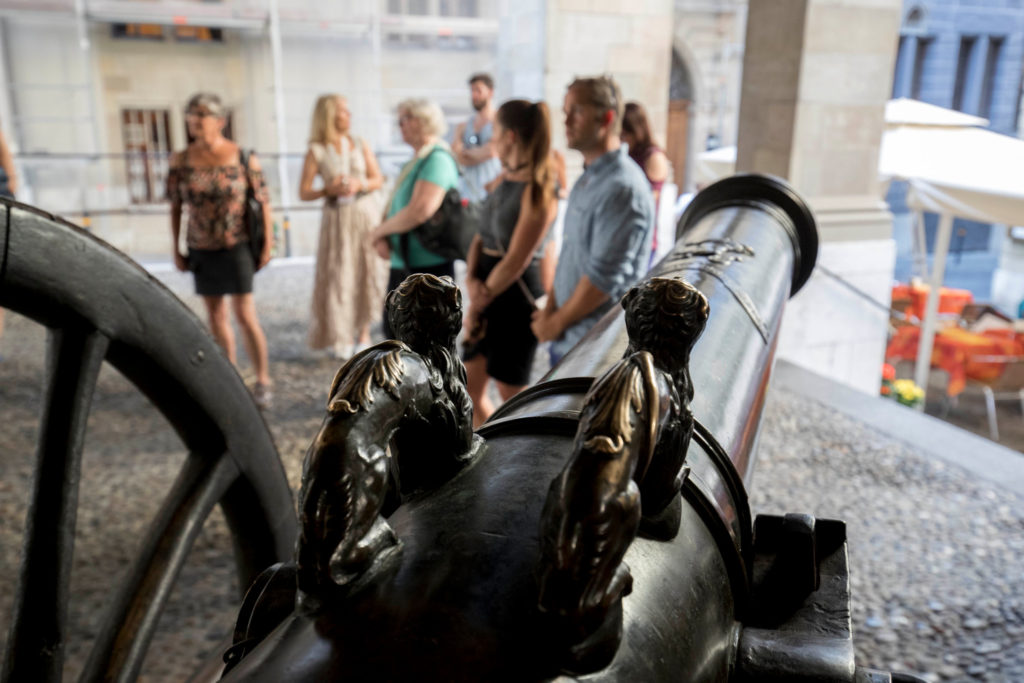
Guided tours are one of the most immediate ways to connect with a city, especially for those discovering it for the first time. Through its wide range of experiences, Geneva Tourism opens up Geneva in a way that goes beyond its landmarks, revealing the stories, details and layers that shape its identity.
From the cobblestone streets of the Old Town to the international district, these tours trace the evolution of a city that has grown at the crossroads of cultures, ideas and influences. Visitors are guided through centuries of history, from Roman foundations to the Reformation and the emergence of Geneva as a global hub.
What makes these experiences particularly engaging is the attention to detail. Along the way, guides highlight elements that might otherwise go unnoticed. A simple inscription on the pavement at Molard square, for instance, reveals greeting words in multiple languages. Installed as part of a contemporary art project, these illuminated stones evoke the multilingual exchanges that have long taken place in this historic square, once a hub of trade and activity, while also reflecting Geneva’s international profile today.
The diversity of tours also reflects the many facets of Geneva. Some focus on its historical heritage, others on its humanitarian tradition, watchmaking legacy or international organizations.
Each offers a different entry point, allowing visitors to explore the city according to their interests while gaining a deeper understanding of its role on the global stage.
Beyond the content itself, the format plays an important role. Offered in several languages and adapted to different audiences, these guided experiences create a natural setting for exchange. Walking through the city together, asking questions, sharing impressions, participants engage not only with Geneva, but also with one another.
More than a simple introduction, these tours provide a way to read the city differently. They reveal how history, culture and everyday life intertwine, and how, step by step, a place becomes more familiar. bit.ly/4eMtazQ
Musée international de la Réforme
Long before Geneva became a center for diplomacy, it was a city shaped by ideas. In the sixteenth century, it emerged as one of the key hubs of the Protestant Reformation, a movement that profoundly transformed religious, political and social structures across Europe. What unfolded in Geneva at the time was not only a theological shift, but a rethinking of how communities were organized, educated and governed.
At the heart of this transformation was the arrival of reformers such as John Calvin, alongside waves of refugees, intellectuals and artisans from France, Italy, England and beyond. Geneva quickly became a place of exchange, where ideas circulated across borders and where new ways of thinking took root and spread outward. In many ways, the foundations of today’s International Geneva can already be traced back to this period.
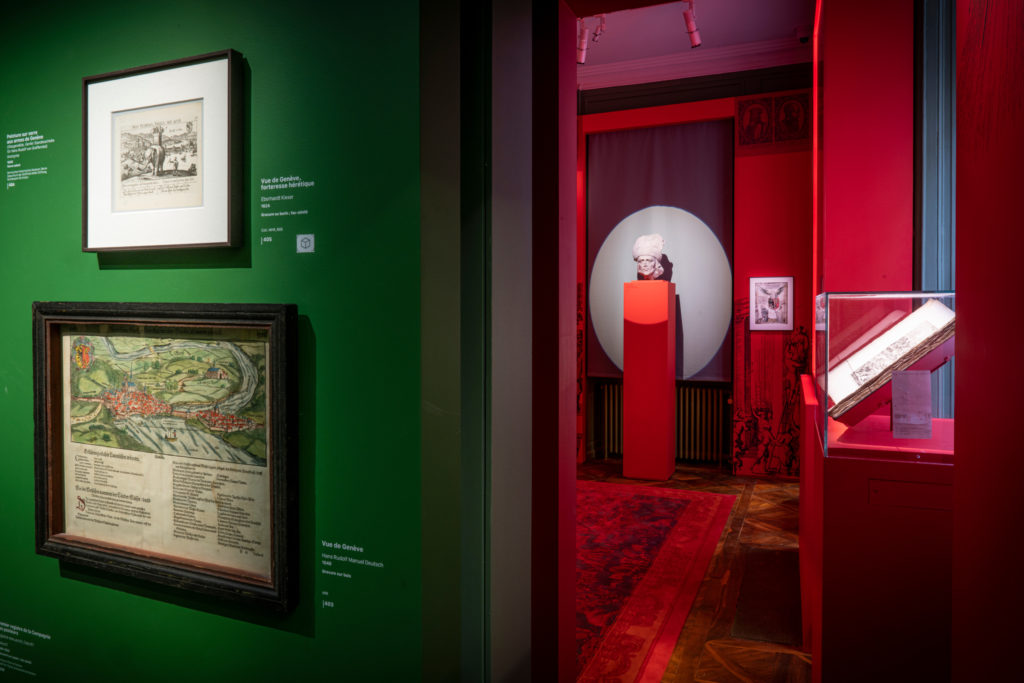
Located in the Old Town, near St. Peter’s Cathedral, the Musée international de la Réforme offers a clear and engaging introduction to this history. Through manuscripts, artworks and personal objects, it retraces how a local movement came to have a global impact, influencing societies far beyond Switzerland.
The museum also makes a conscious effort to remain accessible to a diverse audience. With multilingual resources and a thoughtfully designed visitor experience, it allows people from different backgrounds to engage with a complex historical moment without needing prior knowledge.
Beyond its historical significance, the museum offers a perspective on Geneva that still resonates today. The circulation of ideas, the presence of international communities, and the city’s openness to the outside world are not new developments, but part of a longer story.
By connecting past and present, the Musée international de la Réforme highlights how Geneva first became a place where people, beliefs and ideas could meet, laying the groundwork for the city’s international identity. bit.ly/4djC9Gc
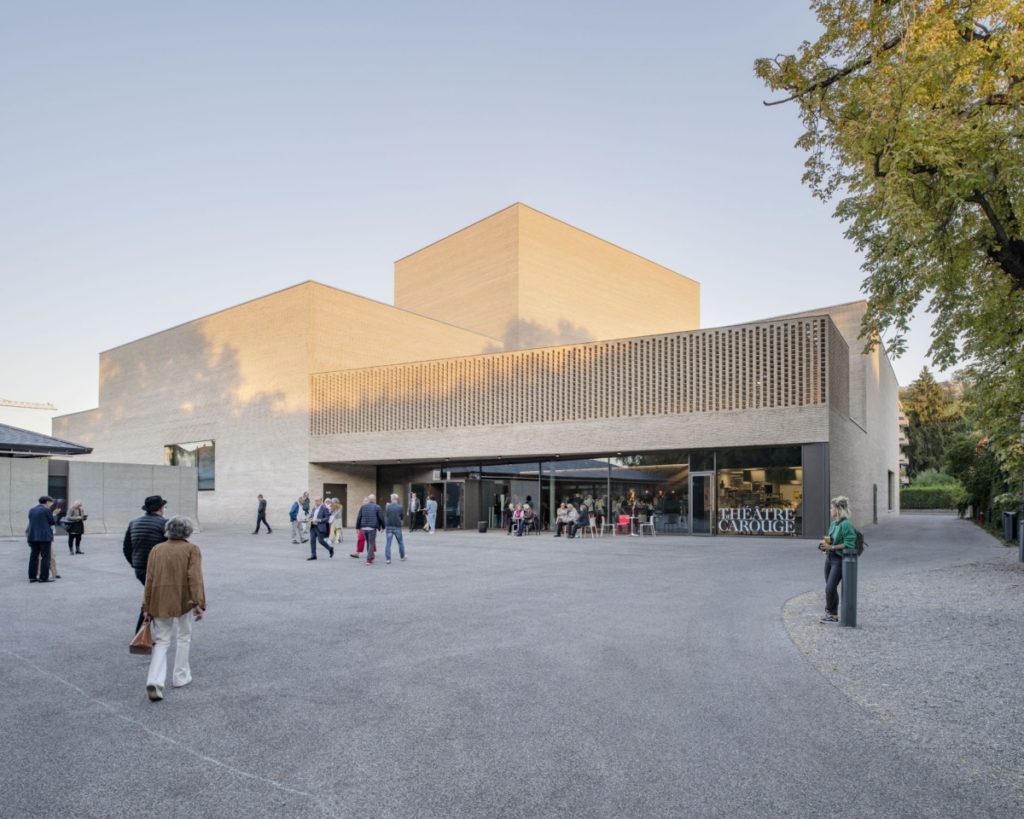
Grand Théâtre de Genève & Théâtre de Carouge
Geneva’s cultural identity has long been shaped by exchange and openness, and its performing arts scene reflects this tradition. From grand opera productions to contemporary theater, the city offers a space where stories, languages and artistic traditions from around the world come together.
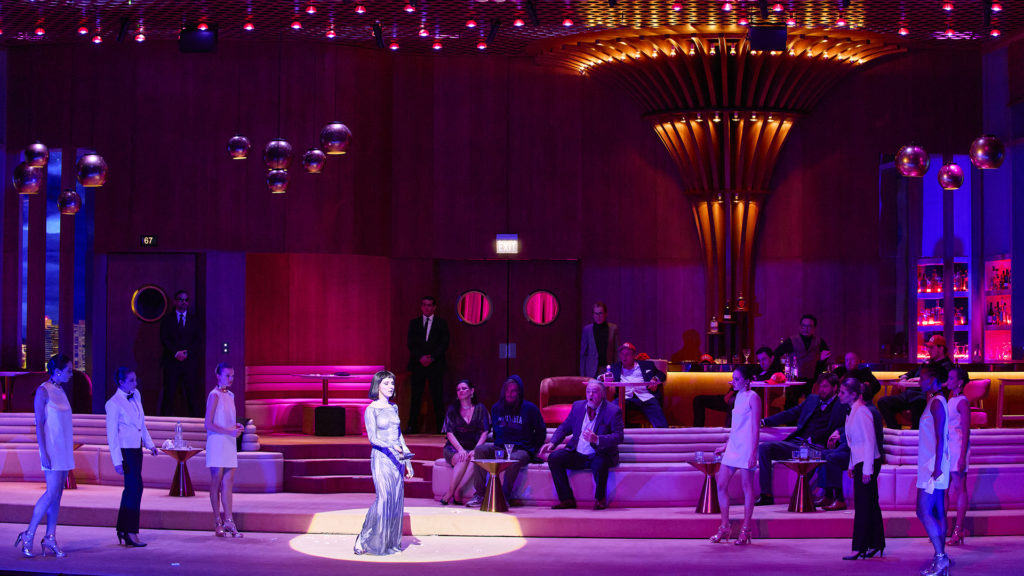
The Grand Théâtre de Genève stands as one of the leading opera houses in Europe. Since its inauguration in the late nineteenth century, it has welcomed internationally renowned conductors, directors and performers, becoming a key stop on the global opera circuit. Its productions often bring together artists from different countries, blending interpretations and influences that reflect the diversity of the art form itself. Opera, by nature, transcends borders. Whether sung in Italian, German or French, it speaks through music, emotion and staging, reaching audiences regardless of language. bit.ly/49AXLwH
A few kilometers away, the Théâtre de Carouge offers a different yet complementary approach. Founded in the late 1950s, it emerged from a collective of artists eager to rethink theater in Geneva and bring it closer to the public. From its early years, it built its identity around a strong connection to the great texts of European literature. Its repertoire combines classical authors such as Molière, Shakespeare, Racine or Chekhov with more modern voices like Beckett or Ionesco, creating a dialogue between tradition and contemporary creation. Today, it continues to revisit these major works while developing new productions on site.
At the same time, the Théâtre de Carouge has made a deliberate effort to remain accessible. By providing English subtitles for many performances, it allows non-French-speaking audiences to engage fully with texts that are often deeply rooted in the French language and literary tradition.
This approach transforms what could be a barrier into an invitation. bit.ly/4nu5Zwd
These two institutions remind us that attending a performance is also about sharing a moment with others, sitting side by side with people from different backgrounds and experiencing a story that resonates beyond language.
Passeport Gourmand Genève and Chocolate Flavours Tours
Food is often one of the first ways to connect with a new place. In a city like Geneva, where cultures meet on a daily basis, it becomes a natural bridge between people, habits and traditions.
The Passeport Gourmand Genève reflects this diversity particularly well. By encouraging residents to explore a wide range of restaurants across the region, it offers more than a culinary discovery. It invites people to step outside their routines, discover local spots, and engage with the city in a more spontaneous and social way. From traditional Swiss cuisine to international flavors, each address becomes an opportunity to experience Geneva through its food culture.
For newcomers especially, these moments can play an important role. Sharing a meal is often one of the easiest ways to meet others, start conversations, and feel part of a community. In this context, gastronomy becomes a simple but powerful tool for integration. bit.ly/4dqW0Dw
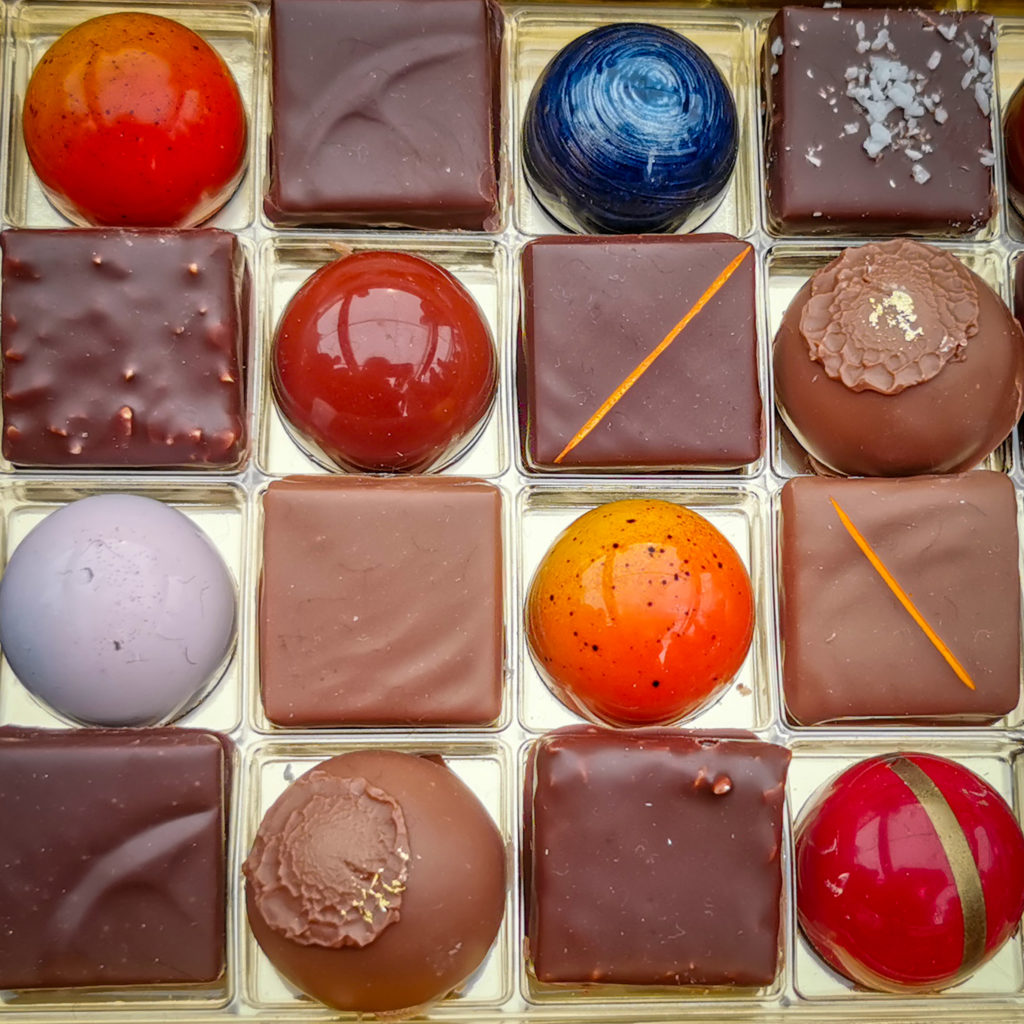
This idea is echoed in a different format by Chocolate Flavours Tours. Through guided tours in English, participants explore Geneva’s Old Town while discovering one of Switzerland’s most emblematic traditions: chocolate. Tastings are combined with stories about local craftsmanship, history and know-how, creating an experience that is both informative and accessible.
Moving through the city in a small group naturally encourages interaction. Participants exchange impressions, share reactions, taste delicious chocolate goodies and connect with a common experience. The format itself turns a guided visit into a social moment. bit.ly/4tKm3Mc
Together, these two activities show how everyday experiences can foster meaningful connections. Whether around a table or during a walk through the city, food creates a shared language that requires no translation.
Vaud Promotion connects international visitors to authentic experiences
Beyond Geneva itself, many cultural experiences linked to international life in the region naturally extend along the shores of Lake Geneva. From Lausanne to Montreux, the Canton of Vaud has long maintained close ties with international audiences, offering institutions and destinations deeply connected to the history, identity and openness of the region.
For many residents of International Geneva, these places are not seen as separate destinations, but as part of a wider cultural landscape shaped by mobility, exchange and discovery. bit.ly/4dc8sIk
CGN and Château de Chillon
Lake Geneva has long shaped the identity and rhythm of life in the region. For centuries, the lake served not only as a natural landmark, but also as a route for trade, travel and cultural exchange, linking towns and communities along its shores.
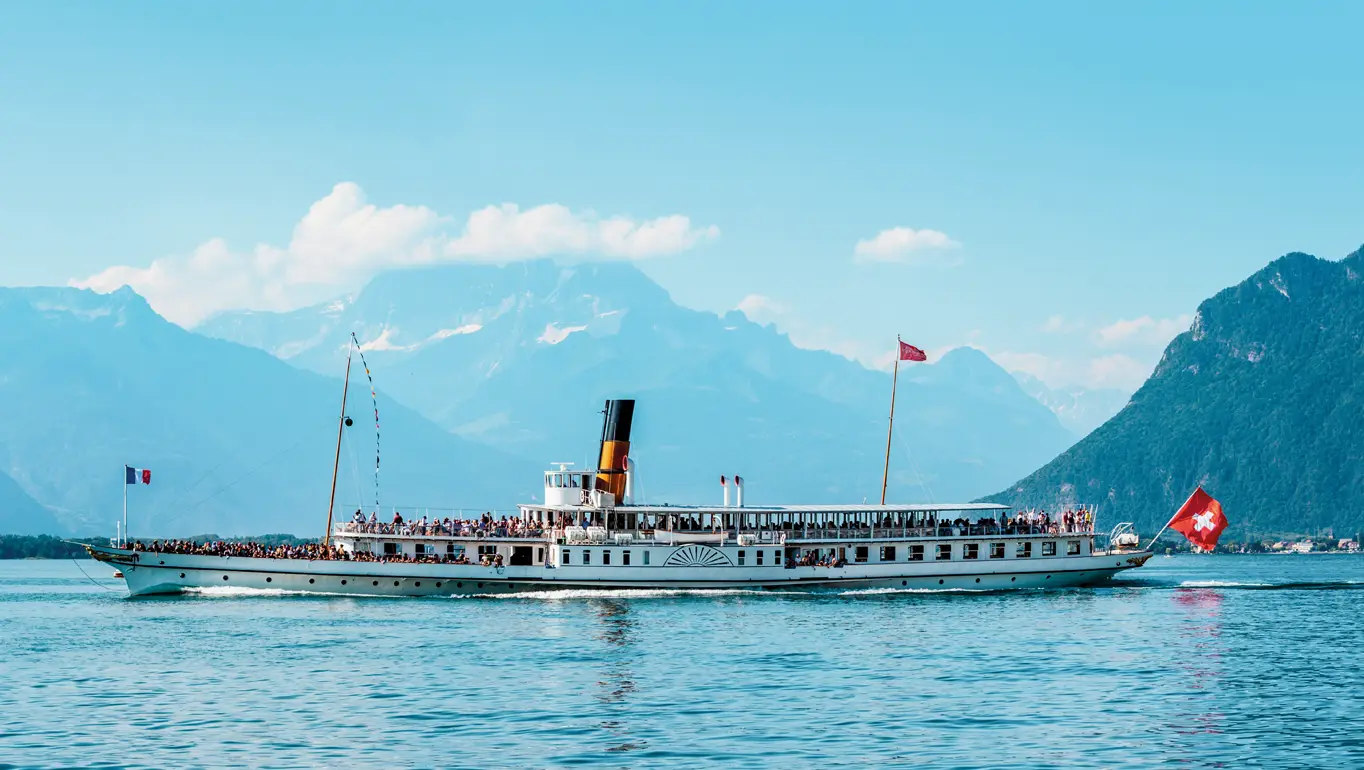
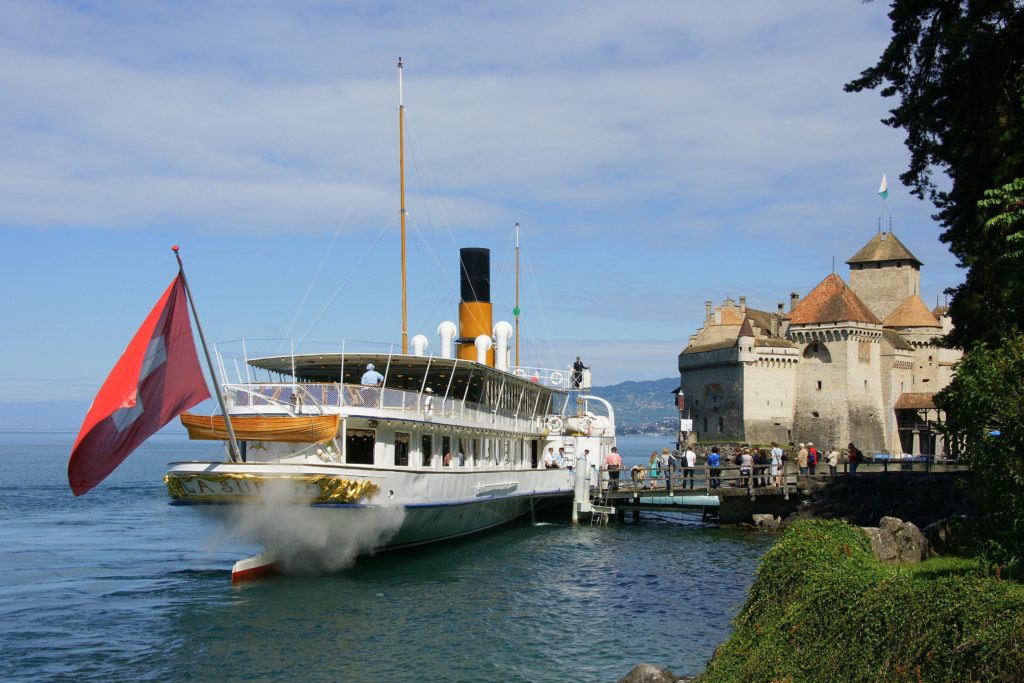
Navigation on Lake Geneva has played a central role in this story. Since the nineteenth century, the Compagnie Générale de Navigation sur le lac Léman has connected towns and villages along the lake, making the journey itself part of the experience. Some of its historic paddle steamers are still in operation today, preserving a unique heritage while offering a timeless way to discover the region.
From the water, the scale of the landscape becomes fully apparent. The terraced vineyards of Lavaux, a UNESCO World Heritage site, stretch along the hillsides, while the Alps rise in the distance. Seen from the deck of a boat, these elements come together in a way that is difficult to grasp from land. bit.ly/4d91q7f
Along this route, the Château de Chillon stands as one of Switzerland’s most recognizable landmarks. Built on a rocky outcrop at the edge of the lake, the castle dates back to the medieval period and has served as both a strategic fortress and a residence. Over time, it has also become a cultural symbol, famously inspiring writers such as Lord Byron, who contributed to its international reputation.
Today, visiting Chillon offers a direct encounter with this layered history. Walking through its halls, courtyards and towers provides insight into centuries of life along the lake, from defence and trade to daily routines within the castle walls.bit.ly/4f5tJF9
Taken together, the journey and the destination form a complete experience. Traveling by boat and arriving at Chillon recreates a historical way of moving through the region while creating a shared moment of discovery. These excursions are among the most direct ways to understand Switzerland, revealing a landscape deeply connected to the country’s identity and history.
The Olympic Museum
When Pierre de Coubertin revived the Olympic Games at the end of the nineteenth century, his ambition went far beyond sport. At a time marked by growing nationalism and political tensions in Europe, he imagined the Games as a way to bring nations together through a shared set of values, encouraging dialogue, respect and mutual understanding.
It is in this spirit that Lausanne was chosen as the headquarters of the International Olympic Committee in 1915. Neutral, stable, and already well connected to the rest of Europe, Switzerland offered an ideal environment for an institution seeking to position itself above political divides. Over time, Lausanne became known as the “Olympic Capital,” hosting not only the International Olympic Committee but also numerous international sports federations.
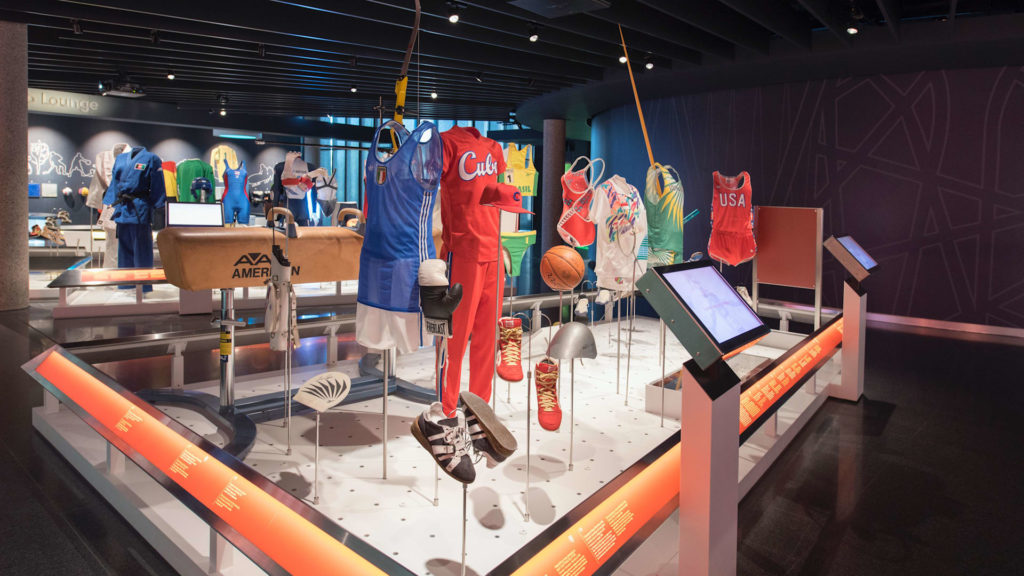
Located along the shores of Lake Geneva, the Olympic Museum reflects this unique heritage. Since its opening in 1993, it has offered visitors an immersive journey through the history of the Games, from their ancient origins to their global expansion in the modern era.
Yet the museum is not only about medals and records. It tells the stories behind the athletes, the host cities, and the moments that have shaped collective memory across generations. Through interactive installations and multimedia displays, visitors are invited to engage with the ideals that underpin the Olympic movement, ideals that resonate far beyond the sporting arena.
In a region that hosts a dense network of international organizations, the presence of the Olympic Museum feels particularly meaningful. Just a short distance from Geneva, it echoes many of the same ambitions: to create spaces for dialogue, to bring together people from different backgrounds, and to promote a sense of shared responsibility on a global scale. bit.ly/4ucD3M4
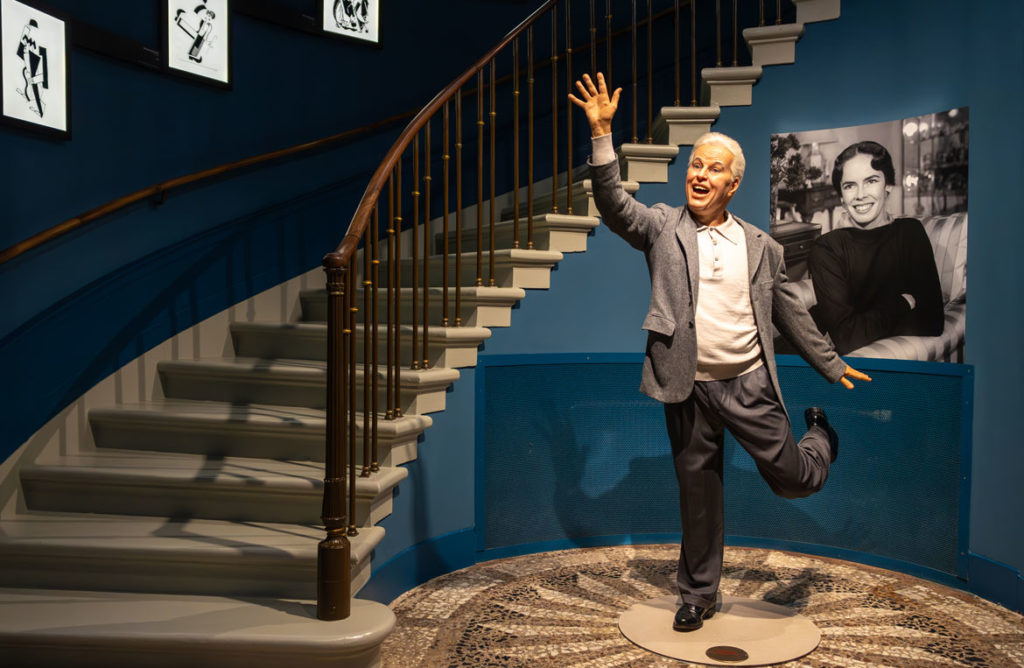
Charlie Chaplin
Few figures have travelled as widely as Charlie Chaplin, without ever needing to speak. Through silence, gesture and expression, his films crossed borders long before globalization became a reality, reaching audiences from vastly different cultures who all recognized something of themselves in his characters.
And yet, behind this universal figure was a man whose own life was shaped by movement and rupture. In the early 1950s, at the height of his fame, Chaplin left the United States and settled in Switzerland, seeking distance from the political tensions that had begun to define his career.
On the shores of Lake Geneva, in Corsier-sur-Vevey, he found a quieter space, one that would become his home for the last 25 years of his life.
Today, Chaplin’s World brings these two dimensions together. The visit moves constantly between public and private life, between the myth and the man. One moment, visitors find themselves inside reconstructed film sets, stepping into the visual world of his cinema. Next, they walk through the rooms where he lived, surrounded by personal objects, family photographs and traces of daily life.
This contrast is what gives the place its strength. Chaplin’s on-screen simplicity, often built on humor and lightness, takes on a different meaning when seen alongside the complexity of his personal journey. The figure who made millions laugh was also someone who experienced exile, uncertainty and reinvention.
His story resonates in a city like Geneva, where many lives are shaped by movement across borders. Not in the same way, of course, but through a shared experience of arriving, adapting and building something new in an unfamiliar place. It is a reminder that behind every international journey lies a personal story, and that people are connected through the simplest emotions: humor, resilience and the search for a place to call home. bit.ly/42TLWhD
More information
For those wishing to continue exploring the region, the CAGI Cultural Kiosks at UN Geneva and CERN offer additional recommendations, cultural ideas and preferential offers, helping the international community discover the many experiences available across Geneva and the Lake Geneva region. Click here for more information.