


Forty years ago, in 1986, a fire at a chemical warehouse in Schweizerhalle, Switzerland, caused toxic substances and polluted firefighting water to spill into the Rhine River. The spill turned the river red and killed fish and other wildlife as it flowed downstream through France, Germany, and the Netherlands.
At the time, there was no fast way for countries to alert one another about such emergencies. The Rhine alarm system was activated almost a full day later, worsening the disaster. This event shocked governments and made clear that industrial accidents do not stop at borders. Countries needed a shared way to prevent and respond to them.
In 1992, UNECE Member States adopted the Convention on the Transboundary Effects of Industrial Accidents, alongside the Water Convention, to address this challenge.
A framework that protects people, health and nature
Since entering into force in 2000, the Convention has provided a unique legal framework that helps 43 Parties, and other interested countries, prevent, prepare for and respond to industrial accidents, including those with transboundary impacts. It also covers accidents triggered by natural hazards such as floods, storms or forest fires. As climate change accelerates, these risks are increasing, making the Convention more relevant than ever.
Its approach is based on key environmental law principles: prevention, precaution, polluter pays and the duty not to cause transboundary environmental damage. As such, industrial safety is closely linked to water management, land‑use planning and climate adaptation. The Convention helps bring these communities together so that decisions about hazardous activities consider environmental risks, impacts on neighboring and downstream countries, and the need for public participation.
Working together across UNECE treaties Water Convention – The Joint Expert Group has developed guidance on mine tailings safety, emergency planning and managing firefighting water, and in helping countries and operators prevent and mitigate accidental water pollution.
Espoo Convention and Protocol on Strategic Environmental Assessment (Protocol on SEA) – Joint guidance promotes safer land‑use planning and the siting of hazardous facilities.
Aarhus Convention – Complementary measures ensure communities, including across borders, have access to information and can participate in decisions affecting them.
Ensuring preparedness and response
In addition to preventing industrial accidents, Parties must maintain national and cross‑border contingency plans and have systems for mutual assistance. The UNECE Industrial Accident Notification System enables rapid early warning, as demonstrated by the Republic of Moldova and Ukraine during an industrial pollution event in the Dniester River in March 2026.
Looking ahead: A modern, flexible instrument for managing evolving risks
Industries are changing rapidly, with new materials, technologies, energy systems and waste streams. At the same time, climate change is increasing extreme weather events that can trigger industrial accidents. In this evolving risk landscape, the Convention remains an adaptable, forward-looking instrument that continues to address a broad spectrum of risks.
Strengthening early warning and risk governance
A recent UN Global Seminar on Early Warning, Pollution Remediation and Environmental Liability, co‑organized with other UNECE MEAs, WMO and UNDRR, brought together 900 participants from over 100 countries. A key message emerged: early warning systems must address both natural hazards and industrial risks, and effective risk governance relies on strong cross-sector cooperation. The Convention will continue promoting integrated approaches to managing multiple risks, in line with the Sendai Framework for Disaster Risk Reduction.
Addressing mine tailings and climate‑related risks
As demand for minerals grows for the energy transition, mine tailings safety is becoming increasingly important. UNECE’s Safety Guidelines and Good Practices on Tailings Management Facilities are gaining recognition in global environmental and human rights discussions.
Climate‑related industrial accident risks are also a central focus, given that natural-hazard triggered technological accidents (“Natech” events) can cause cascading and far-reaching efforts.
UNECE aims to develop further guidance on managing industrial risks linked to floods and other natural disasters.
Supporting countries on the ground
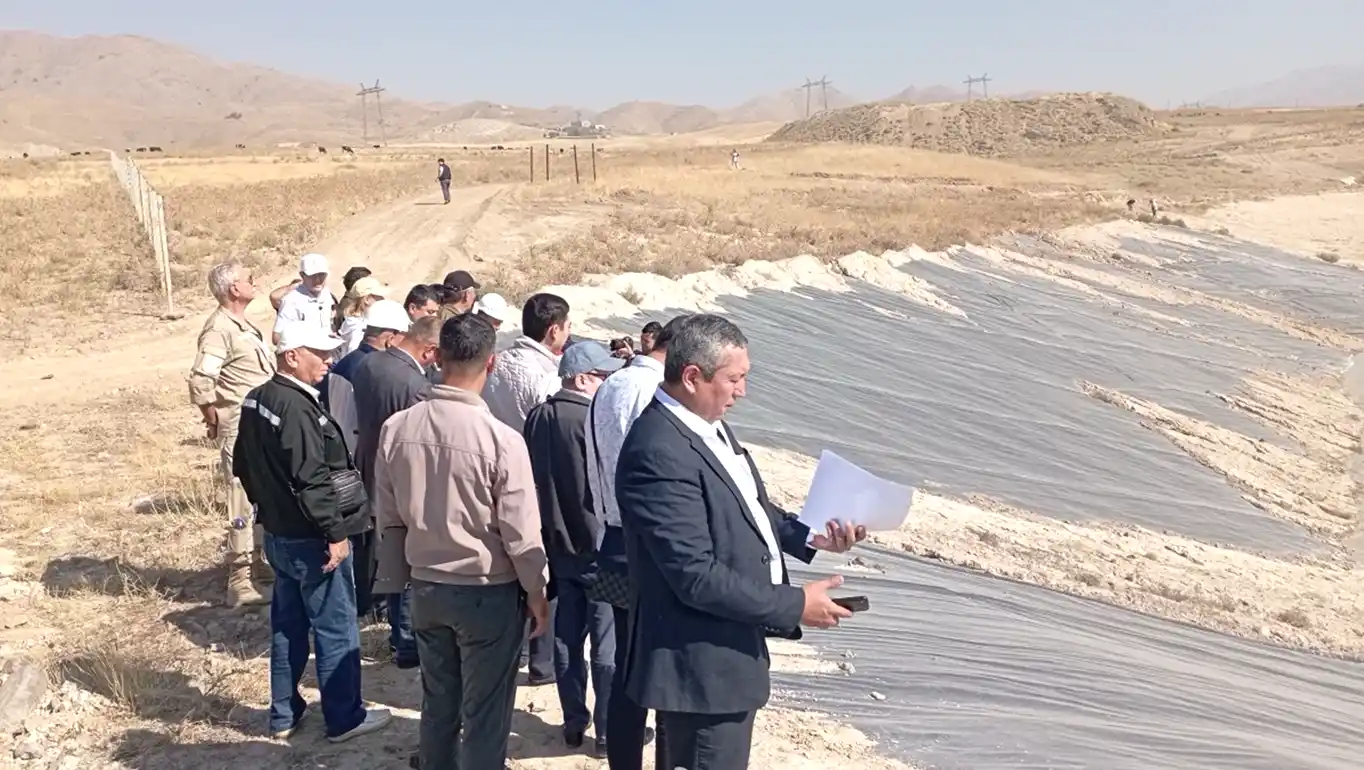
Through its Assistance and Cooperation Programme, UNECE continues to help countries in Eastern and South‑Eastern Europe, the Caucasus and Central Asia address safety hotspots, to strengthen governance and improve cross‑border cooperation. This includes national and sub‑regional workshops, on‑site trainings, and practical emergency response exercises.
A practical and trusted framework
As risks evolve, UNECE will continue developing policies, tools and cooperation mechanisms that help countries manage real‑world industrial and environmental risks and strengthen their resilience. The Industrial Accidents Convention remains a practical, adaptable and trusted framework for safeguarding people, health, and the environment.