


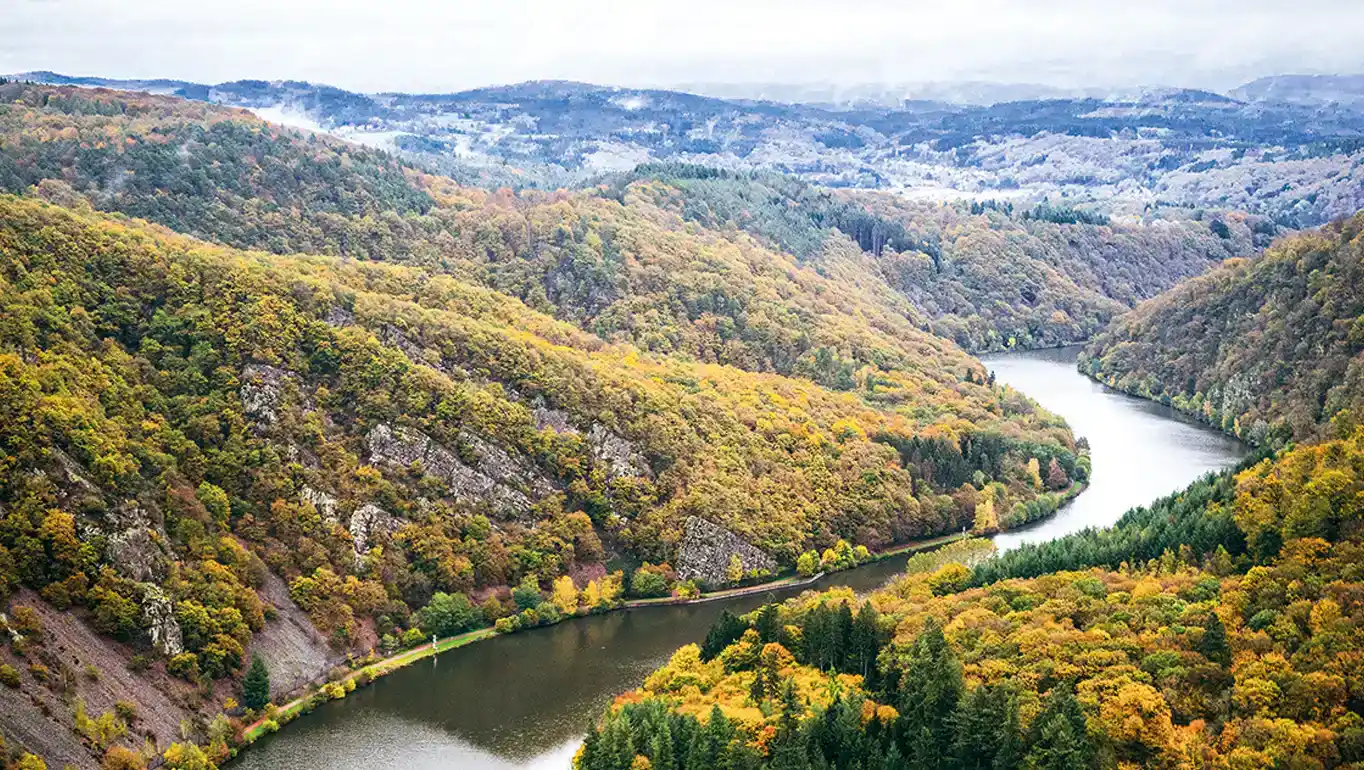
Water does not stop at borders. Rivers flow across countries, lakes are shared, and underground aquifers connect communities that may be far apart politically, but are closely linked by nature. This reality lies at the heart of the United Nations Water Convention, formally known as the Convention on the Protection and Use of Transboundary Watercourses and International Lakes, whose secretariat is hosted by the United Nations Economic Commission for Europe (UNECE).
Adopted in 1992, the Convention offers something rare: a global legal framework and a practical platform where countries can come together to manage shared water resources. Its aim is simple but powerful: to prevent conflict, encourage cooperation, and support sustainable development. Over time, it has been strengthened by the Protocol on Water and Health, a complementary agreement focused on ensuring access to safe water and sanitation for all, while preventing water-related diseases.
The Convention supports and guides cooperation. Countries are asked to negotiate agreements that suit their specific situations and to establish joint bodies for managing shared rivers, lakes, and aquifers. Crucially, it treats upstream and downstream countries equally, balancing rights and responsibilities.
This fairness has helped build trust, even in regions where political tensions run high. Today, 59 countries across Europe, Asia, Africa, Latin America and the Middle East are Parties to the Convention, and around 20 more are in the process of joining. This growing membership reflects a clear trend: cooperation over shared water is becoming a global priority.
Beyond agreements, the Convention actively supports countries through practical tools, knowledge-sharing, and on-the-ground projects. It also works closely with other UNECE frameworks, including the Industrial Accidents Convention. Through initiatives like the Joint Ad Hoc Expert Group on Water and Industrial Accidents, countries are better equipped to prevent and respond to accidental water pollution.
Why shared water cooperation matters
Around 40% of the world’s population lives in river, lake, and aquifer basins that cross national borders. These waters represent about 60% of global freshwater flow and support the livelihoods of more than three billion people.
For over three decades, the Water Convention has helped countries work together at both political and technical levels. It has supported agreements in diverse regions, including the Sava, Dniester, Chu Talas, and the Senegalo-Mauritanian Aquifer Basin.
The benefits of such cooperation extend well beyond water management alone.
For people: cleaner water and stable livelihoods
On the border between Estonia and the Russian Federation lies Lake Peipsi/Chudskoe, Europe’s largest transboundary lake. For generations, local communities have depended on it for fishing and agriculture.
Cooperation agreements signed in the 1990s created joint commissions to manage fish stocks and protect water quality, delivering cleaner water, healthier fish, and more stable incomes.
For peace: reducing the risk of conflict
In Central Africa, water resources are vast but shared across many borders: 16 major rivers, 5 lakes and 17 aquifer systems stretch across 11 countries. Yet many of these basins lack cooperative frameworks, increasing the risk of tensions.
In 2020, leaders of the Economic Community of Central African States (ECCAS), supported by the Water Convention secretariat, took a significant step. They adopted a regional convention aimed at preventing conflicts over shared water resources, grounded in the principles of the UN Water Convention.
For the planet: restoring ecosystems
The Rhine River tells a powerful story of environmental recovery. Shared by nine countries, it was once heavily polluted. Through coordinated action under programs such as “Rhine 2020,” major improvements have been achieved.
Today over 95% of households are now connected to wastewater treatment plants and Atlantic salmon have returned to the river, a sign that ecosystems can recover when countries work together.
Local cooperation: the Rhône and Lake Geneva
In September 2025, Switzerland and France signed two important agreements on the Rhône River and Lake Geneva.
While bilateral bodies have long managed these shared waters, a comprehensive framework was missing. The new agreements now allow both countries to share information more effectively and coordinate responses to floods, droughts, and other challenges. In times of crisis, such coordination is essential – particularly for managing water levels in Lake Geneva.
Adapting to a changing world
The Water Convention continues to evolve. Climate change, pollution, biodiversity loss, and the growing links between water, energy, food, and ecosystems all demand new approaches.
The Convention remains a living instrument, adapting to these challenges while providing a platform for innovation, dialogue, and collective action. With the 2026 UN Water Conference on the horizon, its role is set to grow even further.
The Protocol on Water and Health
Working alongside the Convention, the 1999 Protocol on Water and Health, jointly supported by UNECE and World Health Organization/Regional Office for Europe, focuses on the direct impact of water on human health. Its goal is to help countries develop integrated strategies that protect water resources while preventing diseases such as cholera, hepatitis A, and legionellosis.
One of its key strengths is tackling fragmented governance. It brings together authorities responsible for water supply, sanitation, wastewater treatment, environmental protection, and public health, all sectors that have often operated separately.
This integrated approach has contributed to high levels of access to basic services in Europe: nearly 98% for both water and sanitation. Yet challenges remain: around 185 million people still lack access to safely managed sanitation, and 70 million do not have safely managed drinking water.
Real-world impact
The Protocol has led to concrete improvements across countries. In Azerbaijan, an equity assessment revealed significant gaps between urban and rural areas. In response, the government built or restored water supply systems in 170 settlements.
In North Macedonia, the Protocol helped bring attention to menstrual hygiene management. Awareness campaigns in schools and the introduction of reusable pads reduced waste from an estimated six million disposable pads per month, many of which had previously ended up in unsanitary landfills.
In Switzerland, 37 wastewater treatment plants introduced measures to remove micropollutants, protecting both aquatic ecosystems and drinking water resources.
The Protocol also promotes public participation. A dedicated guide, developed together with the Aarhus Convention, helps stakeholders engage effectively in decision-making processes.
Preparing for future challenges
Beyond current achievements, the Protocol plays a key role in preparing countries for emerging risks. These include pandemics, antimicrobial resistance, new pollutants, and the impacts of climate change on water systems.
Through workshops, capacity-building, and practical guidance, countries are better equipped to respond. Its innovative system of setting national targets has also driven steady progress among both Parties and non-Parties.
Why cooperation is essential
Water scarcity, pollution, and climate vulnerability come at a high cost. They affect economies, strain healthcare systems, and place additional pressure on vulnerable communities and ecosystems.
No country can tackle these challenges alone. Cooperation, across borders and across sectors, is essential.
Together, the Water Convention and the Protocol on Water and Health show that shared water can be more than a source of tension. With the right frameworks in place, it can become a powerful force for peace, resilience, prosperity and sustainable development, benefiting both people and the planet for generations to come.