


This is a story that connects generations, cultures, and nations.
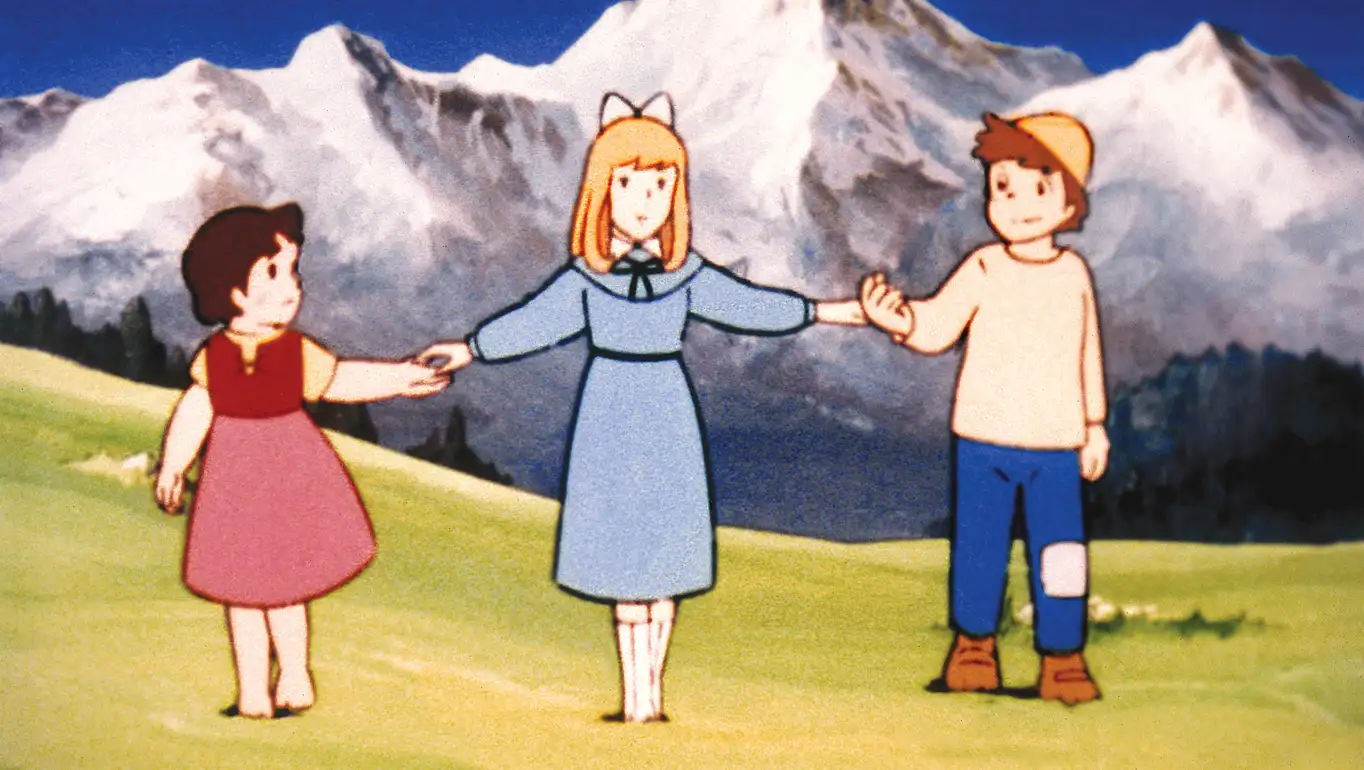
Heidi, an orphaned girl, has captivated millions of people around the world to this day. For many, she is best known through the Japanese animated series that has shaped our image of Heidi since 1974 and remains closely tied to childhood memories. Yet the character and her story are far older than this modern popular icon and had already inspired generations of readers long before.
“Heidi” was created in 1879 by the Swiss author Johanna Spyri. With her work, she not only secured a place in world literature, but also articulated a profound vision of humanity – portraying the child as a source of strength and hope for adults.
The themes explored in the story are universal and timeless: love, trust, belonging, and the search for identity, all of which are fundamental human needs and experiences that connect people across nations, cultures, and religions.
In 2023, UNESCO inscribed the Heidi and Johanna Spyri Archives in Zurich into its “Memory of the World” Register, recognizing the global significance and more than 145-year impact of the story.
Yet even more important than its worldwide success are the values it conveys: through the eyes of a child, Heidi shows what a peaceful and meaningful coexistence can be built upon.
Where Heidi is, there is peace
How such coexistence can emerge is exemplified in the relationship between Heidi and her grandfather. Through her kindness and childlike openness, she manages to heal the heart of a man who lives in conflict with himself, with God, and with the world – and who, through Heidi, finds his way back to life and to the community.
This transformation does not happen through moral instruction, but through lived humanity. While the villagers surround the “Alp-Uncle” with suspicion and accusations, Heidi approaches him with openness and affection. This is where the true strength of one of the most influential works of children’s literature lies: Heidi does not preach peace, she embodies it.
By seeing the good in others and offering trust, she achieves something that adults often fail to do: bringing people back into dialogue and making a new beginning possible. In this sense, “Heidi” takes on the quality of an allegory of peace – a story about how broken relationships can heal and how trust can grow where mistrust once prevailed.
Heidi as a space for dialogue
The story of “Heidi” is shaped by conflict – and precisely in this lies its potential for reconciliation. Heidi’s world is not an idealized one, but a healing one. Its strength lies in allowing us to see the world through the eyes of a child, and to experience how healing can emerge.
This observation is not merely literary. Through our work with the Heidi Heritage Project, we have repeatedly witnessed how Heidi can open spaces for dialogue. When people are asked what memories they associate with Heidi, conversations begin almost immediately. They speak about their childhood, personal experiences, and the emotions connected to the story. Heidi touches upon something fundamental: the inner child.
In this way, the story creates a shared cultural point of reference – a human encounter before political positions come into play. It enables people to meet first as human beings, not as representatives of different interests, countries, or worldviews, and thereby lays a foundation for meaningful dialogue.
Shaping peace through culture and education
This experience forms the foundation of the Heidiseum’s work. Heidi is understood not only as literary heritage and a pop-cultural phenomenon, but as a living cultural asset with the capacity to connect people across the globe. Through cultural and educational initiatives, as well as international collaboration, spaces are created for discourse, mutual understanding, and lasting exchange. Heidi unites the world.
This vision is also reflected in the planned Heidi Heritage Center in Zurich. Conceived as both an exhibition space for the UNESCO collection and a place of encounter, it will include a dedicated dialogue space that brings the values of the story to life.
A particular focus lies on working with children and young people – for they are the ones who shape the world of tomorrow.
Through interdisciplinary school programs and workshops, the values and messages of the story are brought into awareness. When asked whether Heidi could be considered a superhero, one student offered a simple yet insightful answer: “Yes, she uses soft power. She heals with kindness.”