


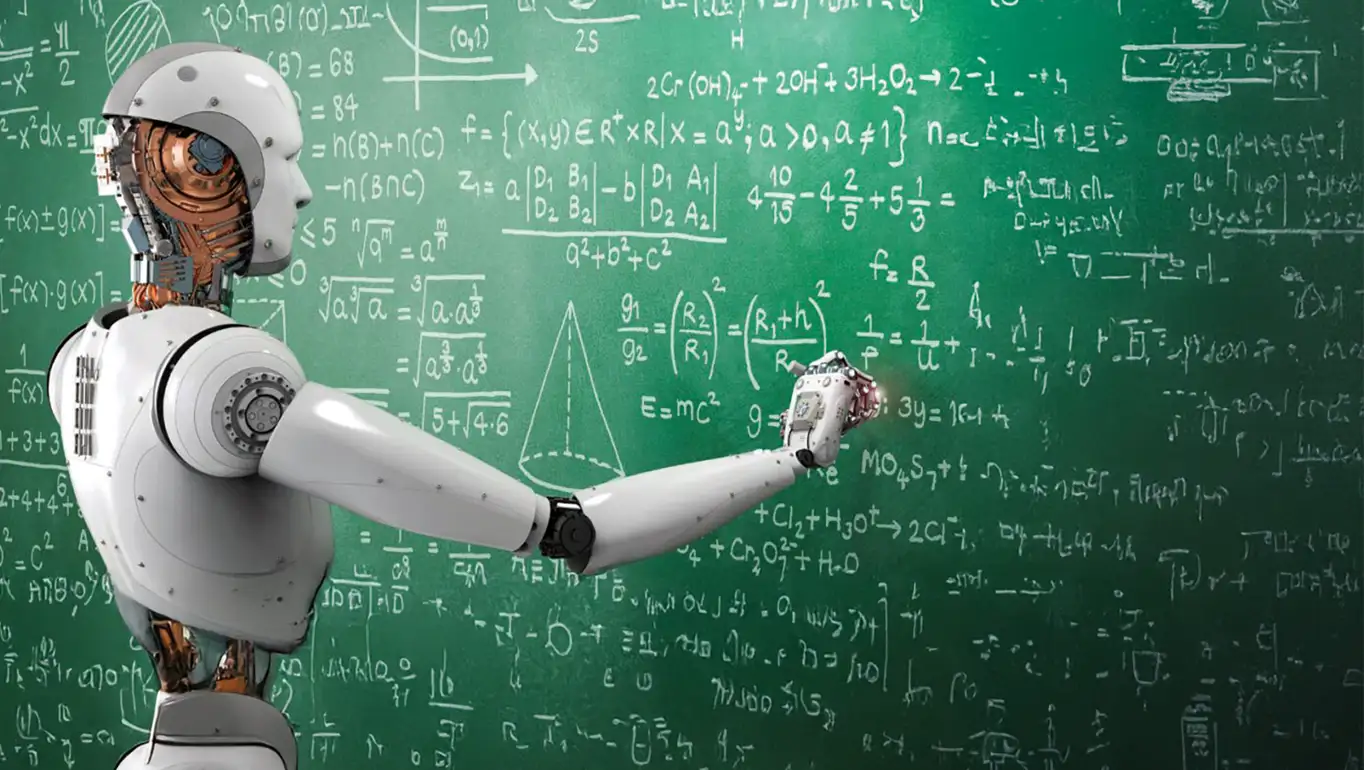
Artificial intelligence is often discussed as though its impact on education were a single, unified phenomenon, frequently framed in negative terms. In reality, AI affects education in very different ways depending on how it is used. To understand its true impact, it is essential to distinguish between AI as a tool for teachers and AI as a tool for learners, and to judge each according to the fundamental aims of education.
The impact of AI on education and learning
AI is already reshaping education in significant ways. On a positive note, it is transforming education by making learning more personalized, accessible, and efficient. It allows students to receive instant feedback and tailored support, while helping teachers save time on tasks like grading and administration. It must be thought of not as a replacement for teachers, but a supplement. When used thoughtfully, it can make learning more personalized and accessible, but it also requires careful management to avoid misuse and inequality.
AI and teaching
When used thoughtfully, AI can be a useful, though far from perfect, tool for teachers. One of its most obvious applications is in the creation of teaching materials. Coursebooks and syllabuses almost always require supplementation, and teachers regularly need to design worksheets, quizzes, and assessments.
AI tools such as ChatGPT can support this process by generating draft materials quickly, saving time in a profession where time is perpetually limited.
AI-generated materials almost always require careful human refinement, however. In my own experience using AI to create a test for primary school learners, the output was structurally coherent but pedagogically weak. Clear examples were missing, the tone was dry and poorly suited to young learners, and some questions encouraged unnatural or ambiguous responses.
Attempts to improve engagement through AI-generated activities were also limited, requiring me to search independently for specialist tools and integrate materials manually. I also had to design my own pronunciation assessment, as the suggested version would not have been effective.
This reinforces a key point: AI can assist teachers, but it cannot replace pedagogical judgement. AI does not reliably account for age-appropriateness, classroom dynamics, or the emotional and motivational needs of learners. Used well, it can speed up preparation; used uncritically, it risks producing content that is technically correct but educationally weak.
AI becomes genuinely beneficial for teachers only when it supports the core principles of good teaching: clarity, close observation of learners, emotional attentiveness, productive struggle, and strong communication with families. Teaching is not simply about delivering content efficiently; it is about creating the conditions in which learning can occur. While AI can help design differentiated activities or formative assessments, it should not replace teachers in marking. Assessment is not merely about assigning a grade but about understanding student thinking and providing feedback. Outsourcing this entirely to AI risks weakening one of the most important feedback loops in education.
AI and learning
AI used directly by learners presents a more complex picture. In some contexts, it can be genuinely supportive. For example, AI-based tutoring tools can help students who feel they do not receive enough individual support in class by offering explanations, examples, and opportunities to practice at their own pace. In subjects such as mathematics, where knowledge is clearly defined, this kind of support can be effective and empowering.
In other subjects, particularly those involving interpretation, argument, or contextual understanding, AI use requires far more caution. Without close teacher guidance, AI can introduce inappropriate content, undermine curricular coherence, or give students a false sense of mastery. More concerningly, when students rely on AI to avoid thinking, struggling, or practicing, learning itself is hollowed out. Effort, confusion, persistence, and gradual improvement are essential educational processes. They are also motivating: progress generates confidence, which in turn encourages further learning.
Assessment and authenticity
AI creates serious challenges for assessment. Coursework becomes increasingly unreliable when teachers cannot determine how much work reflects a student’s own thinking. This problem is intensified by the ability of AI tools to mimic particular voices, ages, or levels of sophistication. As AI-generated work becomes more personalized and convincing, traditional indicators of authorship lose their diagnostic value.
In examination systems, another problem emerges. Students who rely heavily on AI may perform significantly worse under exam conditions, revealing a gap between apparent and actual competence. AI can therefore create an illusion of learning that collapses when independent performance is required.
AI is a double-edged sword. For teachers, it has the potential to support planning, differentiation, and more frequent in-class assessment. For learners, however, its overall impact may be more negative than positive if it is used to bypass the cognitive struggle that learning requires. The solution may not lie in better detection of AI use, but in rethinking teaching and assessment practices and placing greater emphasis on in-class tasks that prioritize thinking, discussion, and problem-solving.
If education is to benefit from AI rather than be diminished by it, the distinction between teaching and learning must remain clear and the struggle to learn must remain non-negotiable.